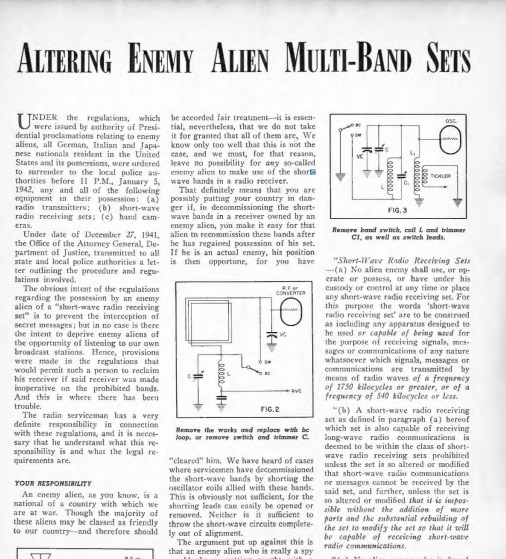
 As we previously reported, as of January 5, 1942, enemy aliens (that is, citizens of Japan, Germany, or Italy) were prohibited from possessing cameras, firearms, or shortwave radios. They were required to surrender them at the police station, where they would be issued a receipt.
The February 1942 issue of Radio Service Dealer reminded its readers that the majority of such aliens were friendly to the country and should be accorded fair treatment. It was essential to keep in mind, however, that not all of them were. The magazine also pointed out that there was no intent to deprive enemy aliens of the opportunity of listening to American broadcast stations. Therefore, the regulations permitted persons to reclaim their receivers if it was made inoperative on the shortwave bands. Hence, there was a demand for technicians to perform the necessary task of disabling shortwave reception on multi-band sets.
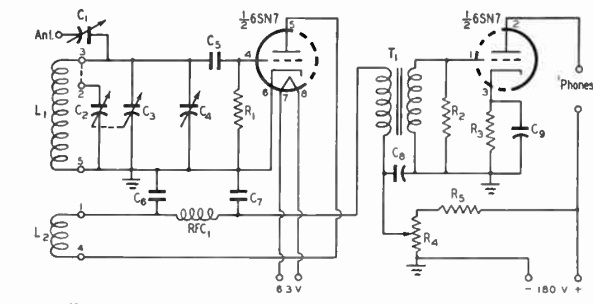
The magazine stressed the need of doing so in a manner that could not be easily converted back. Therefore, simple modifications such as cutting a lead to a band switch, or shorting out oscillator coils, was insufficient. The magazine provided the technical details for various kinds of sets. Some sets, for example, used a single oscillator coil for both broadcast and shortwave, with the coil tapped for shortwave reception. These sets might require replacement of the oscillator coil. Other sets used separate coils for the different bands, and these were generally an easier job of simply removing the shortwave coils.
After the job was done, there was still a need for caution:
Remember that there is always the possibility that some enemy alien in your locality may try to pull a fast one. Dealers, jobbers and servicemen, and radio amateurs, too, should be suspicious of any person who may be presumed to be an enemy alien, when attempts to purchase radio parts, borrow test equipment, or seek your service in any alignment work outside of the broadcast band.
On the other hand don’t let your imagination get the better of you. Be reasonably sure of your suspicions before reporting any case to the local police or the FBI.
The magazine contained the full text of the regulations:
Short-Wave Radio Receiving Sets
(a) No alien enemy shall use, or operate or possess, or have under his custody or control at any time or place any short-wave radio receiving set. For this purpose the words ‘short-wave radio receiving set’ are to be construed as including any apparatus designed to be used or capable of being used for the purpose of receiving signals, messages or communications of any nature whatsoever which signals, messages or communications are transmitted by means of radio waves of a frequency of 1750 kilocycles or greater, or of a frequency of 540 kilocycles or less.
(b) A short-wave radio receiving set as defined in paragraph (a) hereof which set is also capable of receiving long-wave radio communications is deemed to be within the class of shortwave radio receiving sets prohibited unless the set is so altered or modified that short-wave radio communications or messages cannot be received by the said set, and further, unless the set is so altered or modified that it is impossible without the addition of more parts and the substantial rebuilding of the set to modify the set so that it will be capable of receiving short-wave radio communications.
( c) No alien enemy who is found in possession of any short-wave radio receiving set will be excused in any manner on the ground that he did not know that the set was a short-wave radio receiving set or that the set could be readily converted into a short-wave radio receiving set. It shall be the duty of any alien enemy to ascertain whether or not any radio in his possession is prohibited; and any alien enemy having in his possession any radio receiving set whatsoever shall be held responsible for knowing whether or not such set is a short-wave radio receiving set.
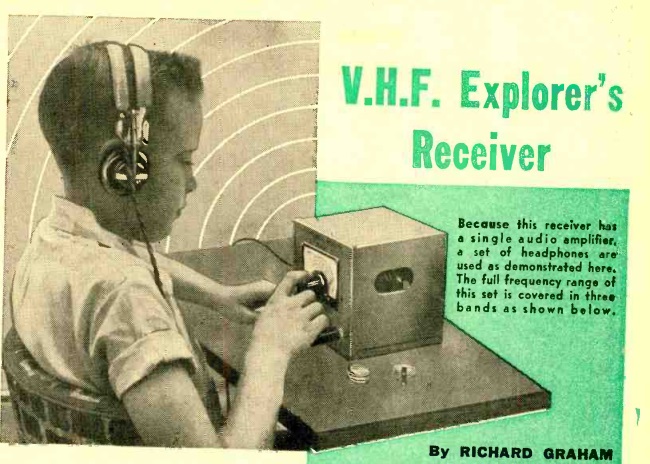
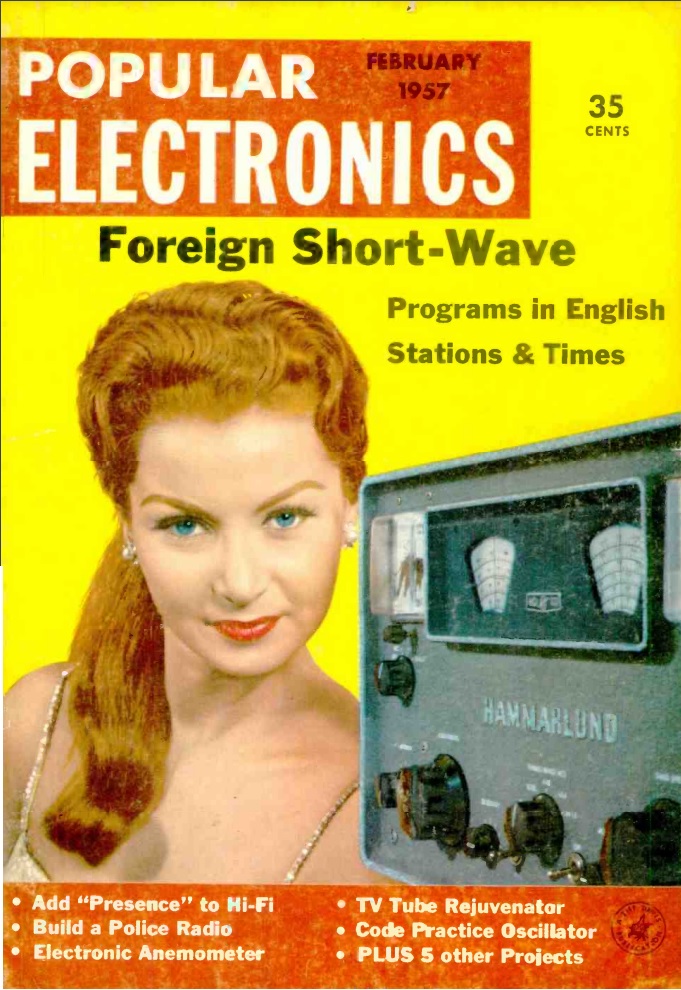
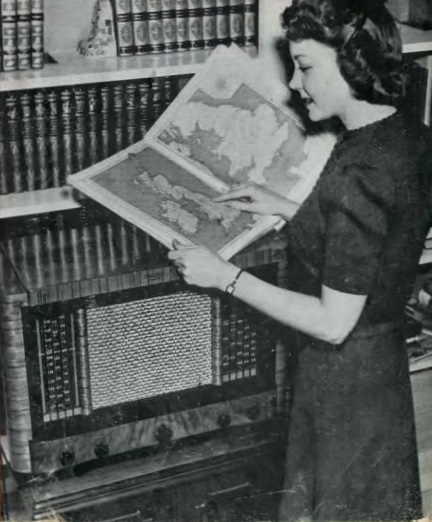
 The magazine apparently needed an appropriate photo for the cover to illustrate this important story, and it settled on this image of an SWL, apparently pulling in an English station. The caption noted that this activity was one now reserved to citizens only.
It’s not uncommon for radio collectors to come upon a prewar set whose shortwave bands have been disabled. For those with such a set, we hope this article provides some insight into the modification that had been made in early 1942.

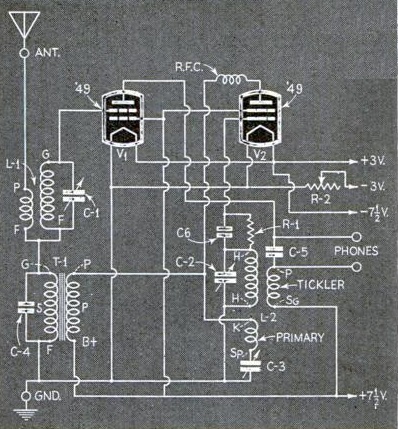
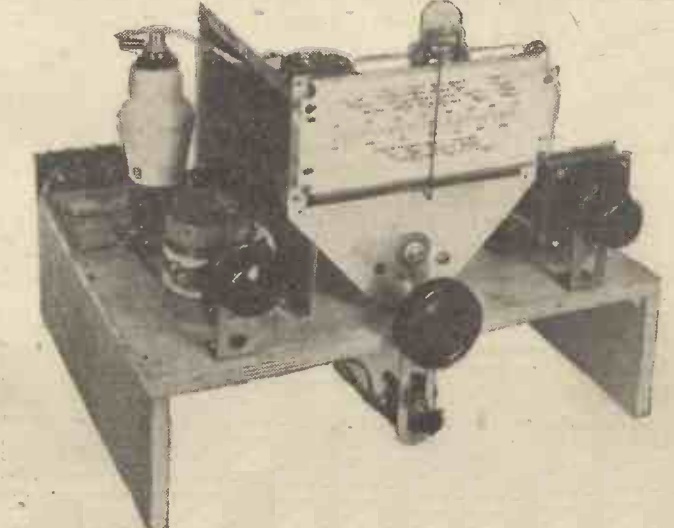
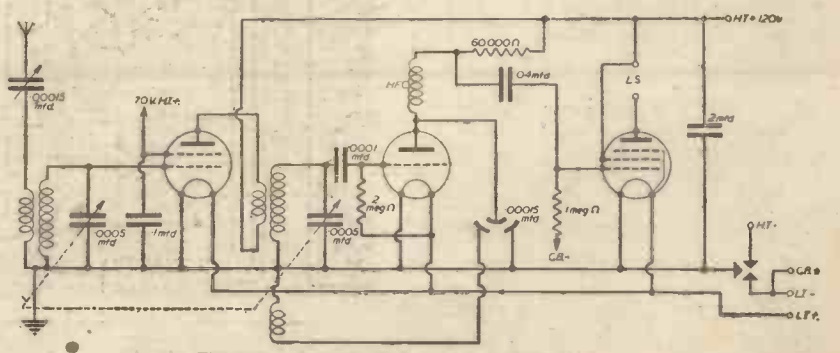
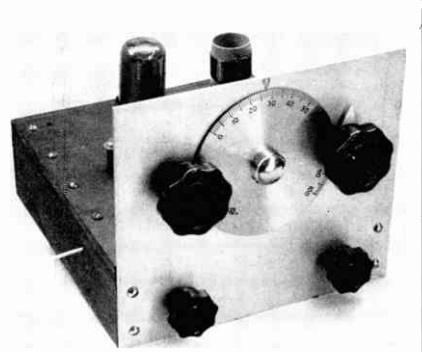
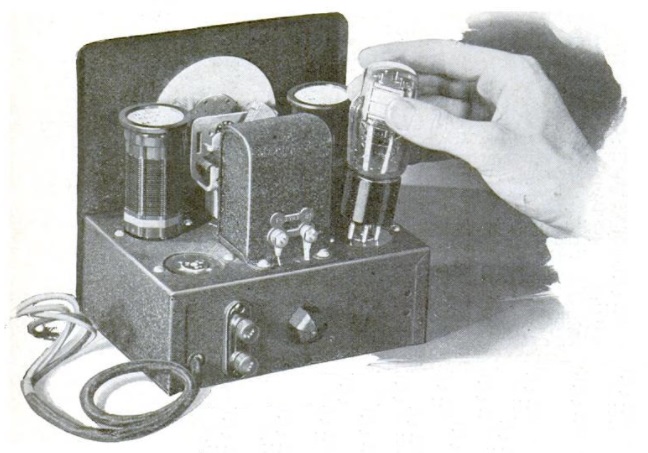 Eighty five years ago, the February 1937 issue of Popular Science carried the plans for this two-tube regenerative receiver for the broadcast band up to 65 meters (about 4.6 MHz) with two plug-in coils. The set used two type 49 tubes, with the first one reflexed to serve as both RF and AF amplifier. The second tube served as regenerative detector.