Category Archives: Wisconsin History

Review of Ripley’s Believe It Or Not Wisconsin Dells

We were recently passing through the Badger State on the way home from the Michigan QSO Party, and decided that the trip warranted a slight detour through Wisconsin Dells, one of the state’s most famous tourist destinations.   The main attraction is the scenic gorge along the Wisconsin River, but seemingly since time immemorial, the town has been the home to many tourist attractions.  These include destination-class water parks, but also a number of more kitschy “tourist traps.”  (And when we say tourist trap, we mean that in the kindest possible sense.  For example, we consider Wall Drug, a beloved national landmark, to also be a tourist trap.)

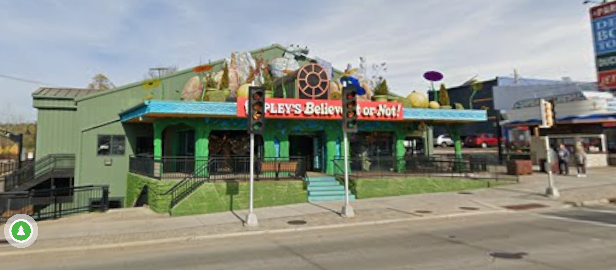
In my opinion, the best tourist trap in Wisconsin Dells is Ripley’s Believe It Or Not.  It is billed as an “Odditorium,” and features a myriad of artifacts of the odd or unusual.  I have to admit that I’ve always been a sucker for Ripley’s.  As a kid, we didn’t have the daily cartoon feature in our newspaper, but it was a well-known brand.  My family visited a similar museum in California, and Believe It Or Not books were readily available.  For example, I owned a copy of the 14th Series, shown here.  The egg shown on the cover illustrates the fact that if you hold an egg thusly (on the fingers, and not on the palm) and try to crush it with your fingers, it is impossible.

The preface of the book included a number of interesting facts about the number 14.  The one that sticks with me over the years was about the French surname “Quatorze.”  Like many surnames, this one represented an occupation.  And the original Monsieur Quatorze was a professional 14th guest.  If you were holding a dinner party and discovered to your horror that you had an unlucky 13 guests, you would just call Monsieur Quatorze, who would save the day.  It’s a good job if you can get it, believe it or not.  As a space filler, Ripley sometimes included unusual names found on grave stones, and this book contained the grave of Green Bean, found at the Bean family cemetery.

Now that we have the Internet, we can verify that there are two Green Bean graves, one of which is unmarked, although neither is located at the Bean family cemetery.

It had been at least ten years since I visited the Wisconsin Dells Ripley museum.  It appears that they’re constantly making changes, and it did appear to be completely different from what I had experienced before.  While the museum did cater to all ages, the modern version is probably more appropriate for young children than it previously was.  In the past, the focus was more on things that younger children might have found scary.  While they are still there (such as what is probably the most famous artifact, the shrunken head), they are not displayed quite as prominently.  Also, the main mode of getting to the lower level of the museum (where most exhibits are located) consists of slides.  There is also a stairway for older fans who don’t wish to slide.  While it is not prominent, there is apparently an elevator, so all of the museum, other than a couple of very small portions, are fully accessible to persons with disabilities.)  There’s also a ball pit tunnel, and guests are encouraged to touch all of the exhibits (unless they’re behind plexiglass, such as the shrunken head).  So even though adults will find the museum good for an hour or two of browsing, even young kids will have fun.

The museum isn’t particularly cheap.  The admission for adults over 10 years old is $29.11, and $21.83 for children 3-9.  Despite a valiant search on my part, there don’t appear to be any discounts or coupon codes.  (There are a couple of package deals to visit Ripley’s and other attractions owned by the same franchisee.)  But it’s still a good value, as those of all ages will find themselves entertained and educated for a couple of hours.
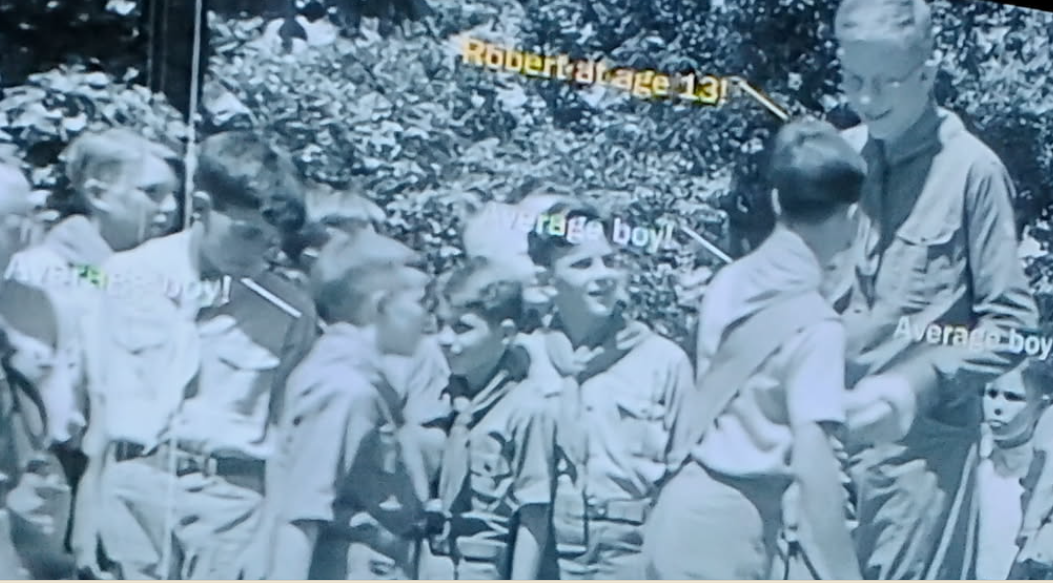
We, of course, scoured the museum looking for oddities relating to radio history.  Unfortunately, we are sad to report that we didn’t find any.  For that, you’ll need to keep following this blog.  I did learn one interesting fact, however, about one of the topics that sometimes discuss, namely, Scouting.  There was a life-size replica of the tallest human to ever live, Robert Wardlow.  What I didn’t know was that Wardlow was a Boy Scout, or to be specific, the tallest Boy Scout in history, since he was 7’4″ as a 13-year-old Scout.

If your travels take you to Wisconsin Dells, the Odditorium is worth a visit.  If, like us, you were just passing through the area on Interstate 90-94, it’s worth stopping for a couple of hours.  And if you are making the Dells a destination, it’s certainly worth including this attraction.


Amazon links on this site are affiliate links, meaning that this site earns a small commission if you make a purchase after using the link.


1926 Closeout Bargains

If you were in the market for radio supplies (or auto parts or electric appliances) a hundred years ago, then Milwaukee was the place to be, as evidenced by this ad in the Milwaukee Leader, March 27, 1926. Times Square Radio & Auto Supply Co. (corner of Wells and Second Streets) was having a closeout, and was selling at sacrifice prices. Even the fixtures were for sale, and the building was up for rent, as shown in this ad from the Milwaukee Leader, March 27, 1926.

You could take home a Timesco 5-tube radio (complete with genuine RCA tubes, batteries, speaker, antenna and ground) for only $47.50. Many other accessories were also available.

And if you needed an electric iron, coffee percolator, toaster, or waffle iron, you could also get those at great prices. Interestingly, it looks like at least the coffee pot seems to come with the adapter, so that you can plug it in either to a two-prong outlet, or screw it directly into a lamp socket. Those little adapters can often come in handy, and you can still find them today at Amazon.


Some links on this site are affiliate links, meaning that this site earns a small commission if you make a purchase after using the link.
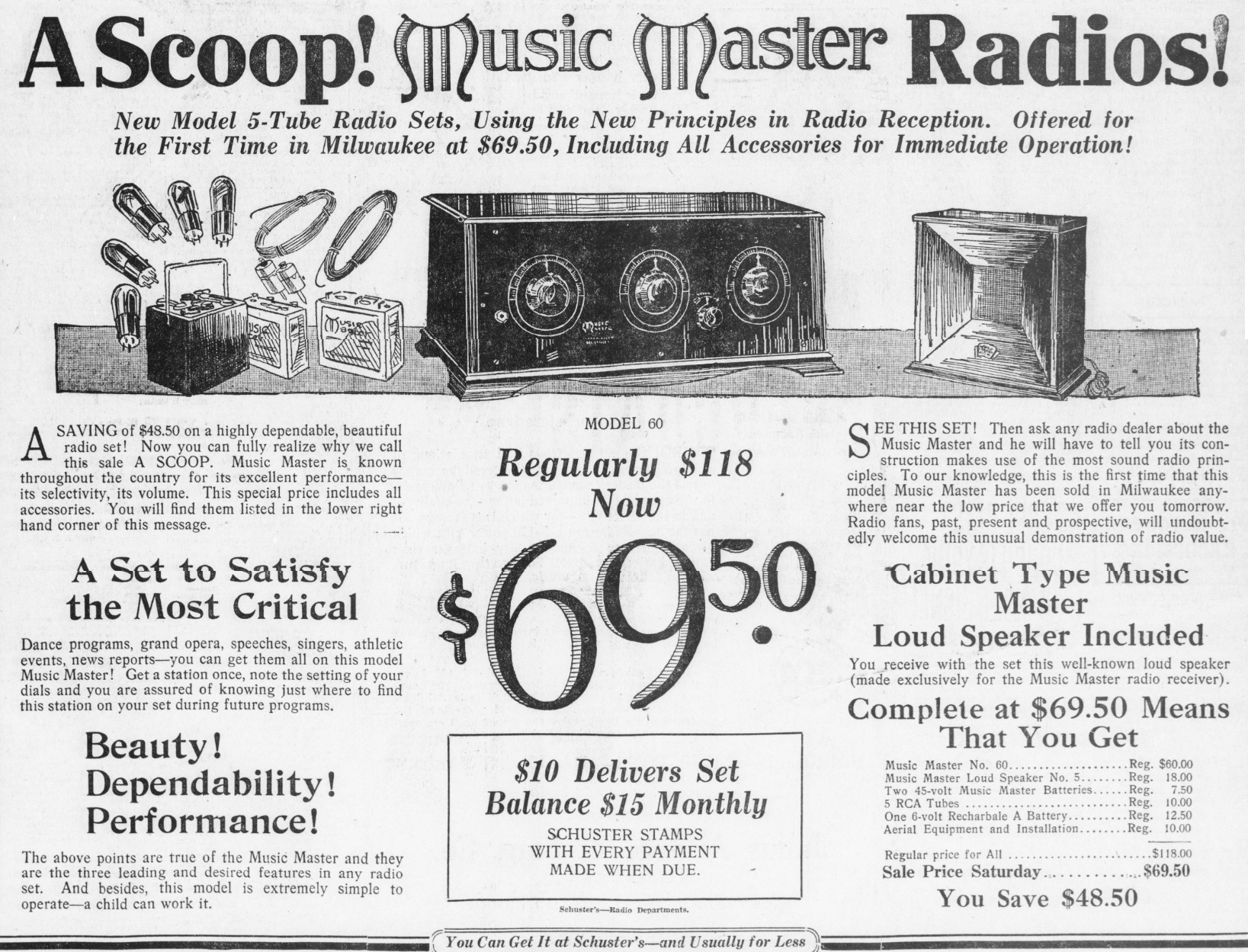
1926 Music Master Model 60

If you were in the market for a radio in Milwaukee a hundred years ago today, you could take home this set from Schuster’s department store for only $69.50, a price which included the set, speaker, batteries, antenna, and tubes. You could be listening right away. The set was a Music Master model 60, and this ad appeared in the February 20, 1926 issue of the Milwaukee Leader.


Burns’ Electric Shop, Lancaster, WI, 1923

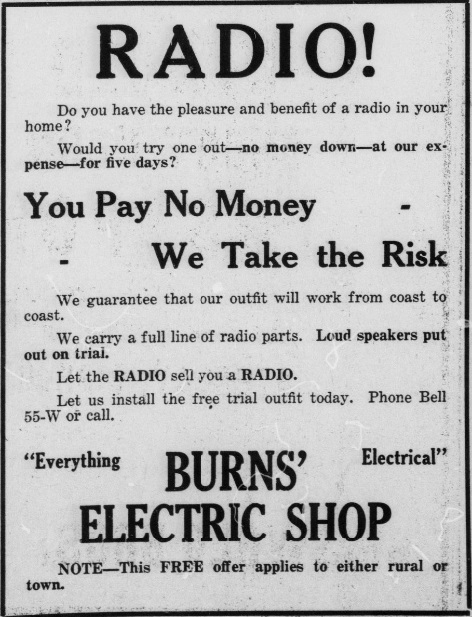
1923Feb21If you lived in a small town or out in the country a hundred years ago, you probably heard of radio. And if you were lucky, you probably got a chance to hear one. But it would have seemed risky to buy one. Would you be able to pick anything up, or would it wind up being a waste of money.

Burns’ Electric Shop in Lancaster, Wisconsin, took away the risk, as shown in this ad in the Grant County Herald, February 21, 1923. They would put a set in your house for five days at their expense, and then the radio would sell itself. It probably wasn’t a big risk. The town was in southwest Wisconsin, and eastern Iowa was a hotbed of radio activity at the time. At night, those stations would come in loud and clear, as well as stations in Chicago and more distant places.


1922 Watercycle

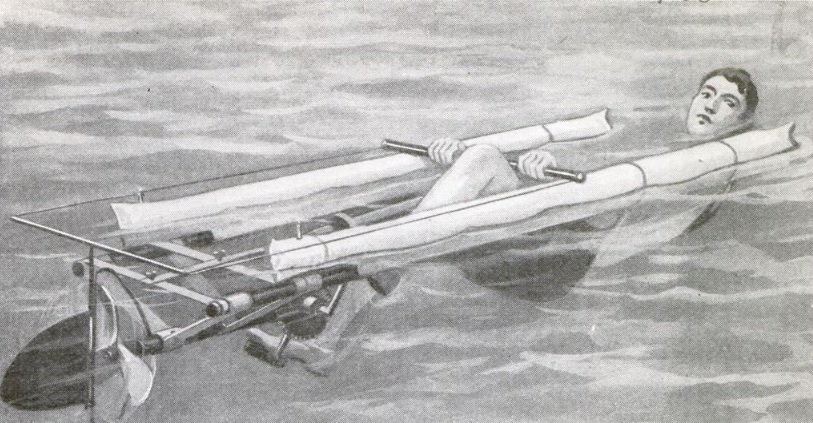
1922JunPMA hundred years ago this month, the June 1922 issue of Popular Mechanics showed this watercycle, invented by Edward Bellman of Evansville, Wisconsin.

According to the magazine, the craft was made of aluminum tubing, and could be quickly taken out of storage and assembled with thumbscrews. Buoyancy came from two inflated tubes which slipped into the frame. A propeller was driven by bicycle pedals, and the rudder was controlled by a handlebar.

The entire craft weighed only 20 pounds and could be packed in an ordinary suitcase. The inventor envisioned the craft for use as a pleasure craft or for lifesaving purposes.


Willetta Huggins, 1922

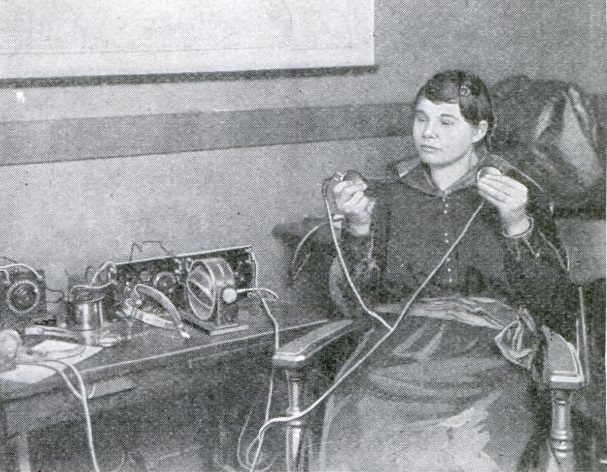
1922JanPMA hundred years ago this month, the January 1922 issue of Popular Mechanics carried the curious tale of sixteen-year-old Willetta Huggins. She had been both deaf and blind for three years, but she was able to “hear” by placing her finger on the diaphragm of a telephone receiver. “With this discovery she soon learned that she could conduct a telephone conversation almost as well as any normal child of her age.”

The magazine recounted a demonstration in which she successfully received a message by wireless telephone, witnessed by a number of dignitaries including Wisconsin Governor John J. Blaine. For whatever it was worth, the magazine noted that the message had been sent on 800 meters (375 kHz), and received with an audion detector and 50 foot antenna.

She also reportedly had the ability to discern colors by smell. In one experiment recounted by the magazine, she was able to identify the colors of six samples of yarn, simply by smell. She was also able to identify the color of the Governor’s suit by smelling it.

But this isn’t the end of the story. According to the New York Times, she was pronounced cured in 1924, and regained her vision and hearing. She ascribed her cure to her Christian Science beliefs, and attested that she had been “completely and permanently healed.” Reportedly, as of 1970, she had changed her name and was working as a Christian Science healer in a midwestern city.


Tagart Radio Service, Milwaukee, 1941

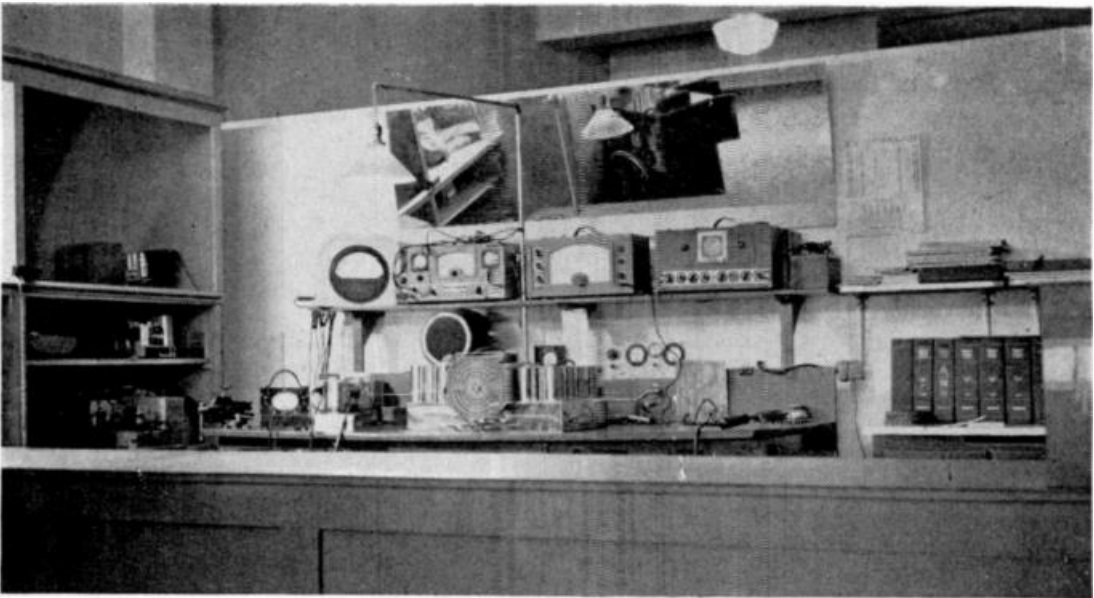
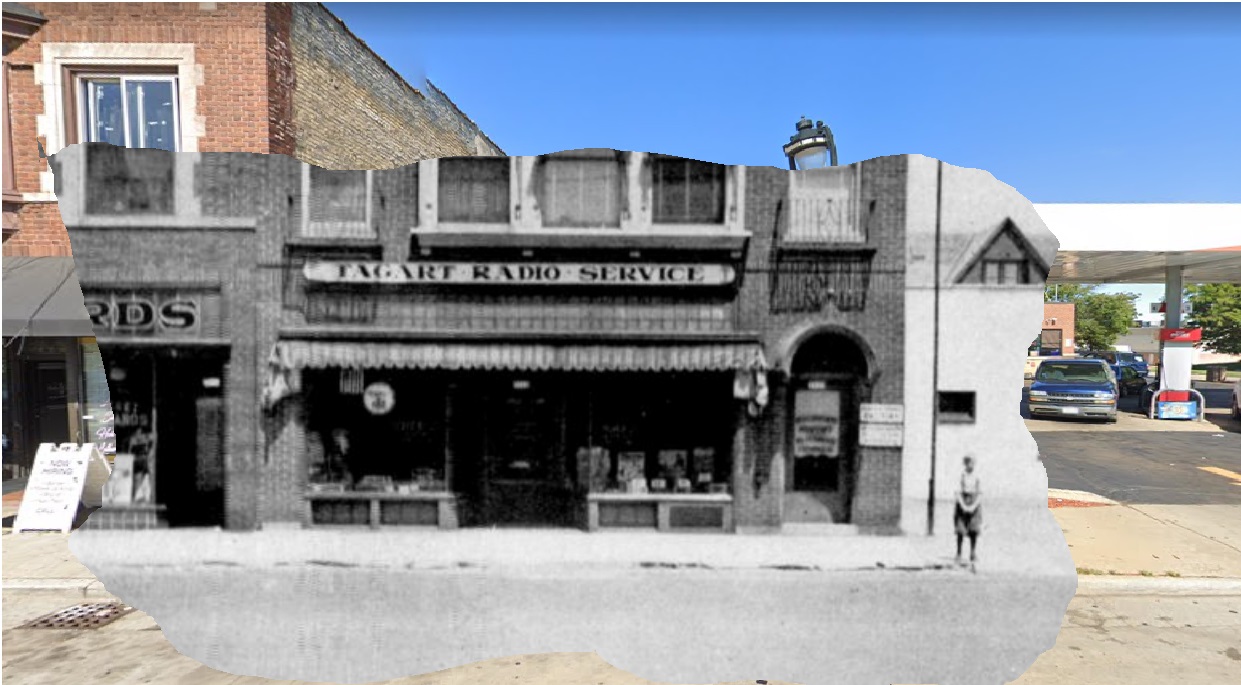
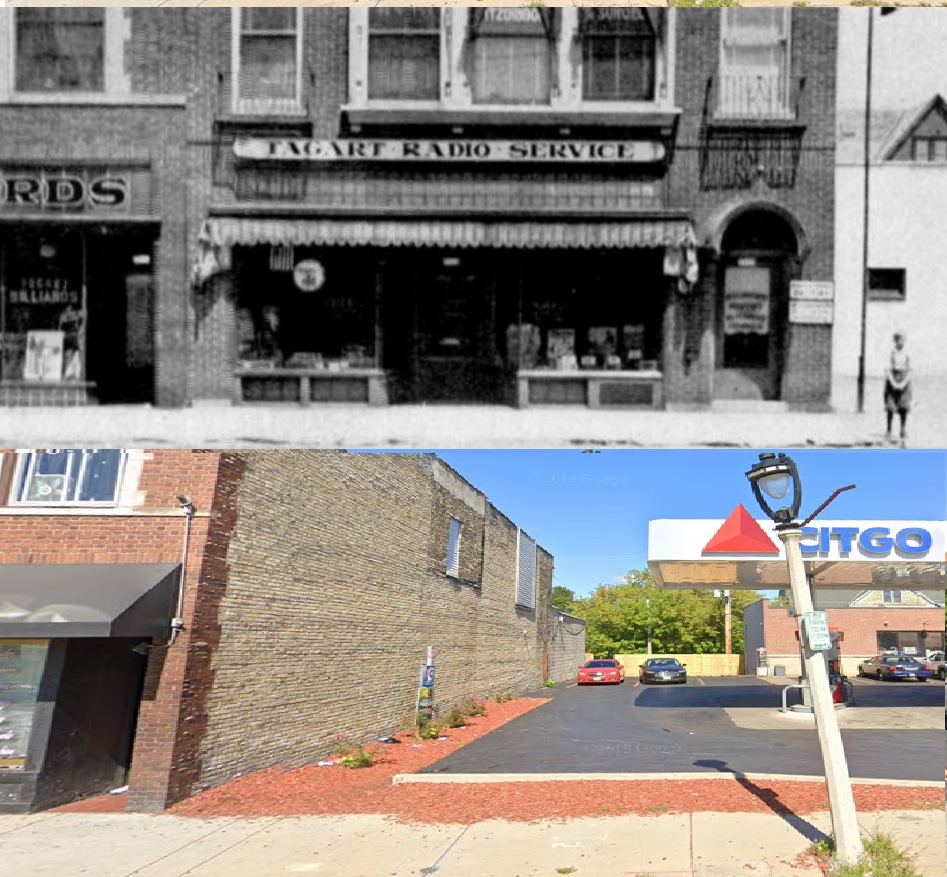
1941JanRadioServiceDealerShown here as it appeared 80 years ago is the service shop of  Sam Tagart, who had recently moved his shop to this fine modern store at 37th & W. North Avenue, Milwaukee.

The move to a prime location was made possible by direct mail advertising. The January 1941 issue of Radio Service Dealer reported that Tagart started out by mailing 250 direct mail ads four times per year to radio set owners, along with occasional mailings to radio dealers. At first, he got a return of about 10%, which worked its way up to 20%. He had recently increased his mailings to 1200 each time.

Part of his success was the spic-and-span shop shown here. He worked on sets in view of his customers, and many regular customers came from those who watched him work. Above his workbench is a mirror, which allows him to easily keep an eye on the front of the store.

The building that housed Tagart’s shop is no longer standing, but the building next door is.  There’s now a Citgo gas station where that shop once stood:

1941JanRadioServiceDealer31941JanRadioServiceDealer2


1944 Grocery Prices

1944Nov9MilJourHere’s another snapshot of wartime grocery prices from 1944, from the November 9, 1944, issue of the Milwaukee Journal. None, or very few, of the items shown here required ration coupons, as would be the case for sugar, meat, and some other items.

As with pre-1964 prices, one way to convert to today’s money is to remember that one dollar meant one silver dollar, four silver quarter, or ten silver dimes, or about an ounce of silver, which would be worth about $18.

Flour was $1.17 for a 25 pound bag. A pound of coffee would set you back 21 cents, and a 12 ounce box of Grapenuts was 13 cents. And a package of “Kool-Aid Ice Cream Mix” was only a nickel.


1949 Milwaukee Television

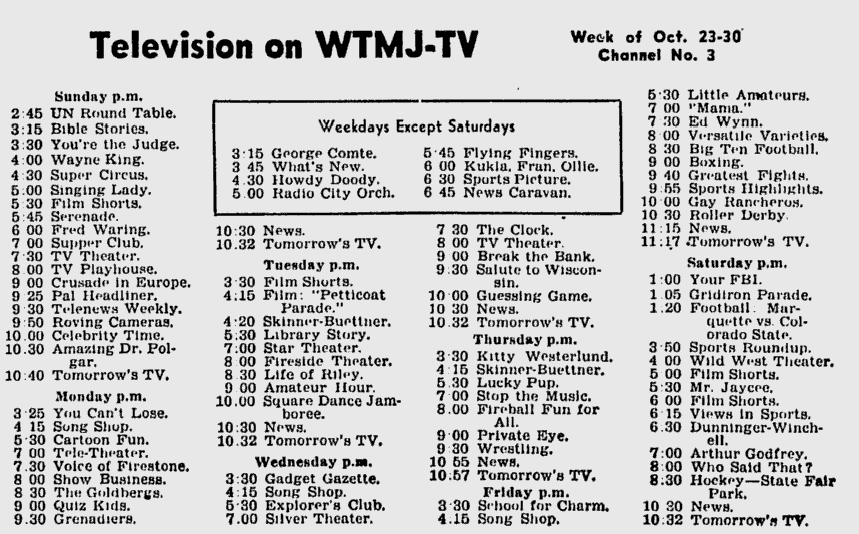
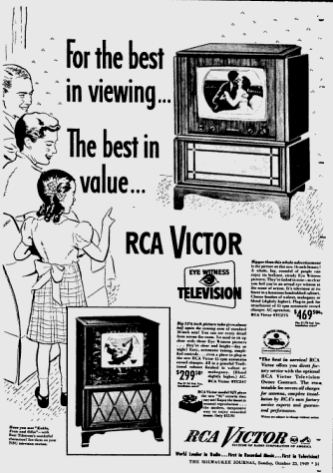
1949Oct23TMJ1949Oct23TMJrcaFor Milwaukee residents lucky enough to own a television, here were the programs they could watch 70 years ago this week, as shown in the Milwaukee Journal, October 23, 1949. (From most browsers, click twice on the image for an enlarged version.)  The only station on the air yet was WTMJ-TV (owned by the newspaper), and here were some of the program highlights:

The “Televison Playhouse” program for the week, 8:00 PM Sunday was an adaptation of the novel “Because of The Lockwoods” by Dorothy Whipple. Before that, the station signed on at 2:45 PM with a special discussion of the United Nations. Panelists were Robert Hansen, Mrs. Martha Klein, and Bruno Bitker, with Dr. J. Martin Klotsche serving as moderator.

At 9:00 PM was the 25th chapter of “Crusade in Europe.” This week’s discussion was Eisenhower’s postwar visit to Russia and his meeting with Stalin. The special guest for the program was former Minnesota Governor Harold Stassen, then president of the University of Pennsylvania.

On Wednesday, the “Salute to Industry” program was a tribute to the Milwaukee police1949Oct23TMHallicrafters department.

Sports was a part of the programming. On Saturday, October 29, the Marquette-Colorado State football game was aired (Marquette won 68-13), and that evening the station carried the Milwaukee vs. Toledo hockey game.

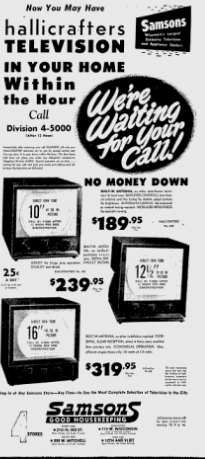
If you didn’t have a TV yet, you had many options. You could get an RCA Victor console starting at $269. Or if you were really in a hurry, you could call Samson’s, and they would dispatch a special service car to your house within an hour, where they would install a new Hallicrafters set on approval, with no obligation. Hallicrafters prices started at $189.95, with no money down.


Golda Meir Visits Milwaukee: 1969

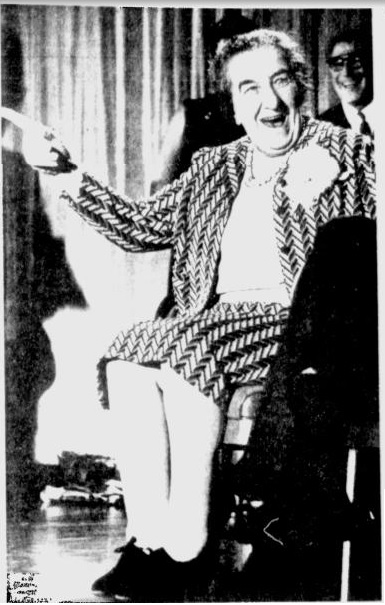
1969October4MJFifty years ago today, October 3, 1959, Israeli Prime Minister Golda Meir paid a visit to her old hometown of Milwaukee, her first since becoming Israel’s leader. According to the next day’s issue of the Milwaukee Journal, she was welcomed with open arms and not without honor in her hometown. She is shown above wearing a paper corsage given to her by students at the Fourth Street School where she spoke.  She had attended the school from 1906 to 1912, and the school is now named in her memory.

Mrs. Meir explained that she had come to Milwaukee as a child, fleeing czarist Russia. It was the privileges and equality she enjoyed in America that caused her to believe that her people, like no other peoples, needed a place of their own. She left for Palestine in 1920 to lay the groundwork for Israel.

“I have come back,” she said, “to tell Milwaukee I represent a free and sovereign people who are still struggling for peace–and having absolute faith that, too, will come.”

Security was tight for the visit, with deputies armed with rifles with telescopic sights on the roofs of buildings as her ElAl jet set down in Milwaukee. More police armed with rifles were on the roofs of downtown buildings, and a police boat cruised the Milwaukee river. Seas of admiring fans waved flags, while pro-Arab protesters carried signs reading, “no shalom with napalm.”