 My son and I were in Corpus Christi, Texas, for the annular eclipse on Saturday, October 14, 2023. Our original plan was to view it from the Padre Island National Seashore, which we had scoped out the day before. But when we woke up Saturday morning, it was cloudy in Corpus Christi, and weather maps showed clouds over most of the region.
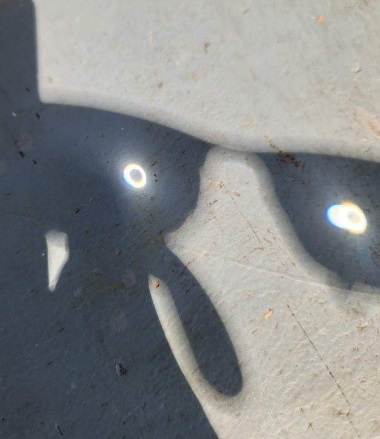
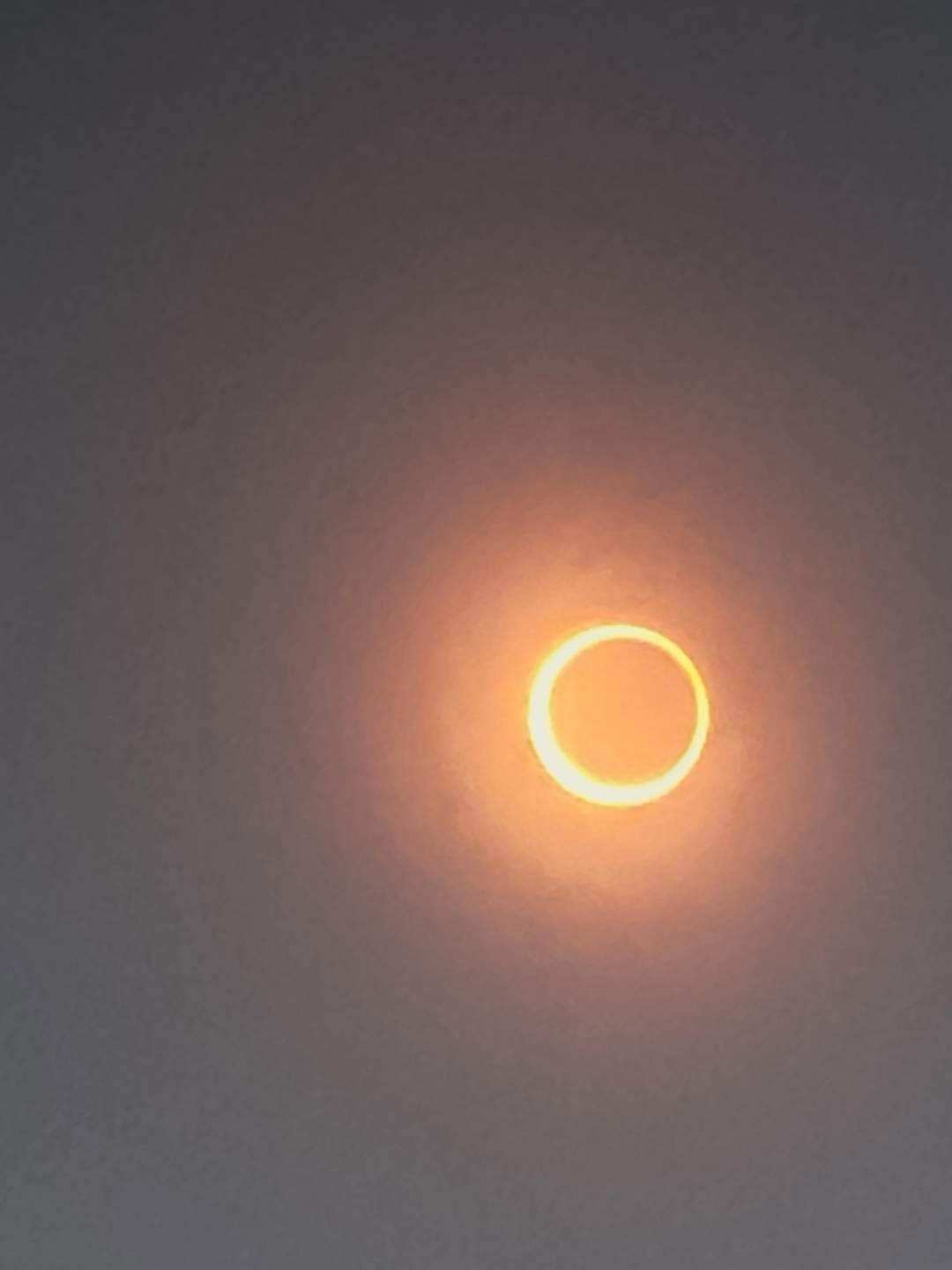
There was a large break in the clouds to the north, and we decided to head that direction. We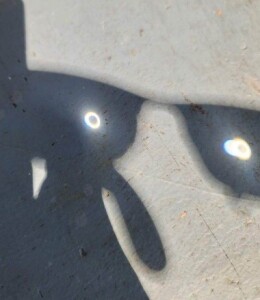 decided to head to Rockport Beach, and this proved to be an excellent spot to view the eclipse. This was the first time I experience an annular eclipse. Basically, it’s a 99% partial eclipse, with the remaining 1% of the sun forming a “ring of fire”. The photo above was taken with my son’s cell phone, using the filter from a pair of eclipse glasses. The photo at right is using an expedient projection method. With the pair of “cheaters” reading glasses in my pocket, I simply projected the image onto the picnic table.
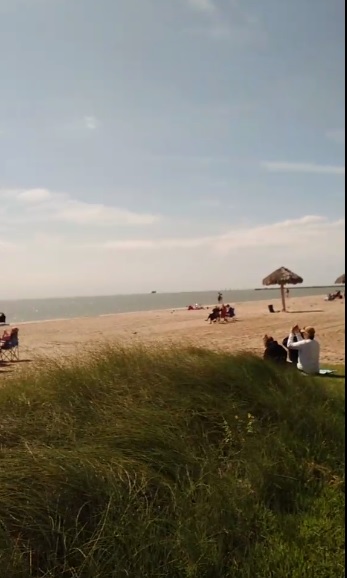 The phenomenon was very different from total eclipse. It was worth the trip, but considerably less dramatic. I could tell that it didn’t seem as bright outside as usual, but if I hadn’t known there was an eclipse in progress, I might have dismissed it as haze. No stars were visible, although the sun didn’t seem as hot as it should. As you can see from the photo at the left, it’s still obviously daytime. This is very different from the total eclipse, where at least one star (the planet Venus) was visible, and there was a sunset on the horizon for 360 degrees.
The moral of the story is that if you are in an area with a 99% total eclipse, you should definitely drive a few miles to where it is 100%. It’s worth the drive.
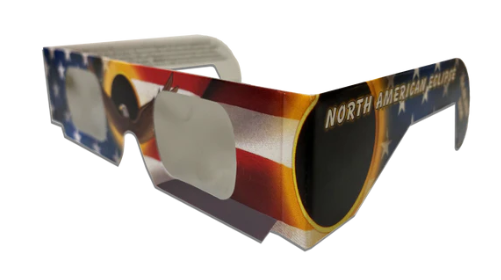
There was a fairly large crowd at Rockport Beach. It was obviously smaller than they would have on a hot summer day, but I’m sure it was much larger than a typical windy October morning. Everyone seemed to have eclipse glasses, and one group played “Ring of Fire” during annularity, which seemed like a nice touch.
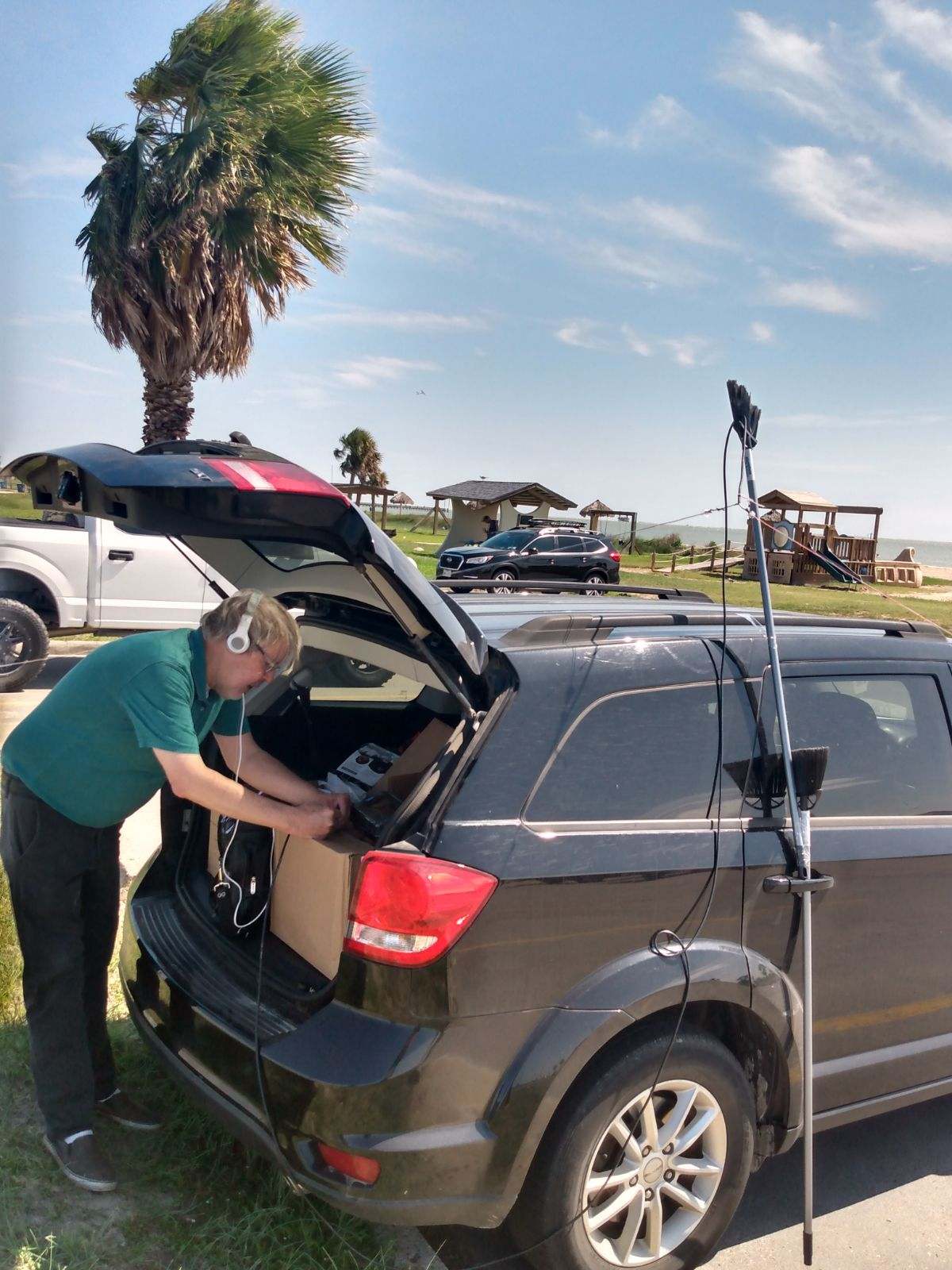
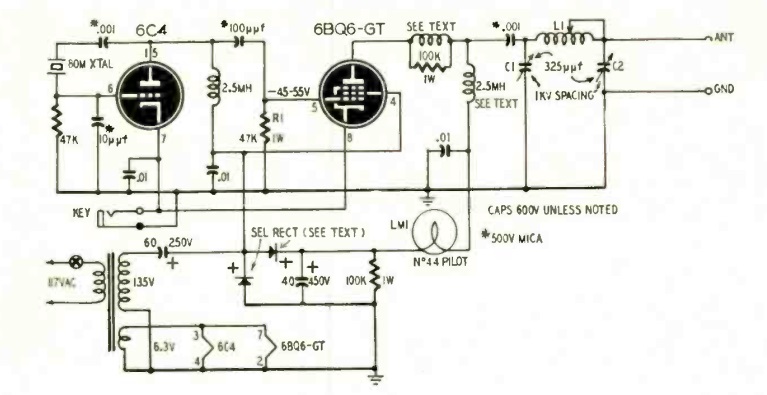
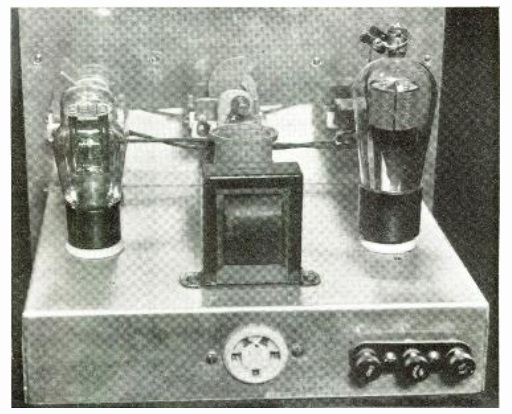
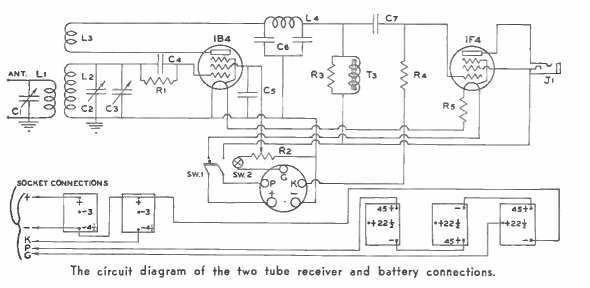
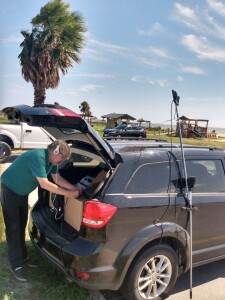 After annularity, most other eclipse chasers on the beach started packing up to head home, even though the partial eclipse was still ongoing. I made an effort to operate on the radio during the Solar Eclipse QSO Party on 40 meters CW. Unfortunately, I had an extremely marginal antenna, as there wasn’t much to attach an antenna from my location. As you can see, I used two broomsticks taped together as the center support. The ends, I staked into the ground. In Minnesota, there are always plenty of sticks on the ground to use to tie down the antenna. South Texas, with its palm trees, doesn’t have convenient sticks on the ground. Fortunately, I had two pencils in the car, and I used them.
But my makeshift antenna was only a few feet off the ground, and I didn’t manage to make any contacts, nor was I heard by the Reverse Beacon Network. I made a list of calls heard, and I guess I’ll submit them.

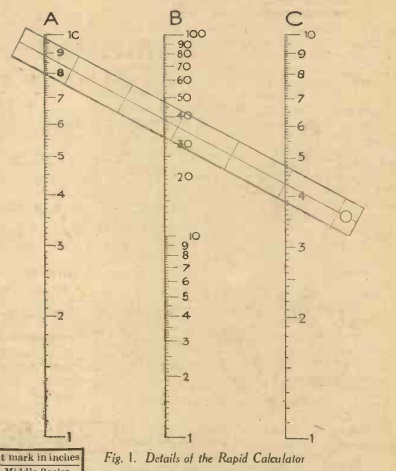 If you needed a desktop calculator 85 years ago, you couldn’t go wrong with the one described in the October 1938 issue of the British magazine Practical Mechanics.