I know that this site has at least one follower in Iran. But I’m certain that they are not following us at the moment, because the government of Iran shut down the internet. International telephone service has also been cut. When things settle down, they’ll be back, and they can know that they were in our prayers. But since they obviously have an interest in radio, we hope that they are getting news from the outside world via radio.
If they have Starlink, they can use that. But it’s unlikely that most people have the hardware just sitting around, since it’s expensive. And it’s probably illegal. Satellite TV is apparently popular, but it’s also illegal. And if the revolutionary guards are running around shooting people, you probably don’t want to have an illegal satellite dish visible on your balcony.
Once again, we are reminded the importance of having even a very inexpensive shortwave or even mediumwave (AM) receiver. With it, even if due to circumstances outside of your control cause you to lose contact with the outside world, you can still keep yourself informed.
To get some idea of what you would be able to hear on a radio in Iran, I went to one of the closest WebSDR’s I could find, a remote receiver in Kuwait. The medium wave stations would be different from the ones I would hear in Iran, but the shortwave band would sound about the same. There were dozens of signals available. Most were in local languages, but I did hear French, and at least one English station, Radio China International on 9600 kHz.
Undoubtedly, many of the signals I was hearing were in Farsi or Arabic, meaning that local listeners would be able to get news from the outside world, such as from the BBC Persian service from transmitters in Cyprus, Rwanda, and Oman. During normal times, having an FM receiver is also a good thing. But in this case, unless you were close enough to a border to hear foreign stations, it wouldn’t provide much useful information.
You needn’t spend a lot of money on a shortwave radio. And even during normal times, a portable AM/FM radio (since the inexpensive shortwave sets also get AM and FM) can come in handy.
This link will take you to the Amazon search results for inexpensive shortwave radios. The list is sorted by price, and also includes only products with free shipping available. So if you have Prime, you pay no shipping. If you don’t have Prime, then add some items to your order to bring it up to $35. (My favorites in this category are toilet paper, coffee, or canned goods.) As you can see, prices start for under $10. I don’t have experience with these particular models, since they come and go. But my experience is that most of these cheap receivers perform very well on FM, serve the purpose on AM, and will pull in at least a few strong shortwave stations.
Looking at the reviews, it appears that this one performs adequately, and would get at least some shortwave stations, although the small dial makes it tricky to tune. It requires AA batteries, so be sure to stock up on them as well. This one is slightly larger, meaning that it’s easier to tune. It has a built-in rechargeable battery which charges from a USB. (See our earlier post on preparing for power outages to make sure you’re prepared to recharge it in an emergency.)
For most of our readers, it’s very unlikely that your government will intentionally put you in the dark. But even in circumstances as mundane as a power outage, it’s good to know that you can find out what’s going on in the world. And the price for making this preparation is close to zero.
آزادی، آزادی، آزادی
Some links on this site are affiliate links, meaning that this site earns a small commission if you make a purchase after using the link.

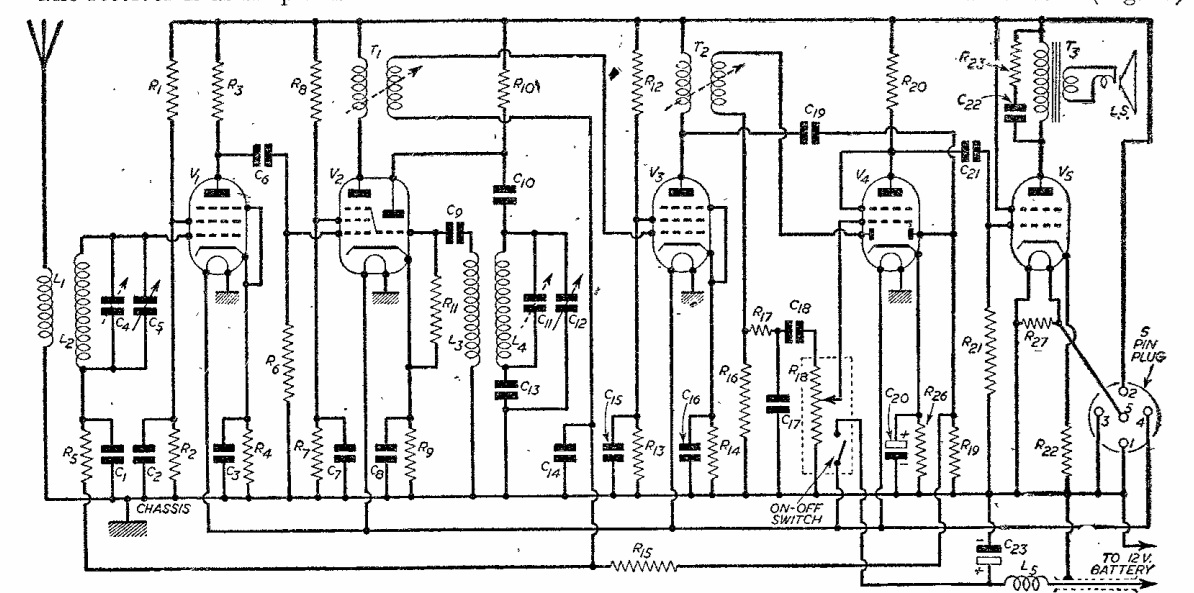
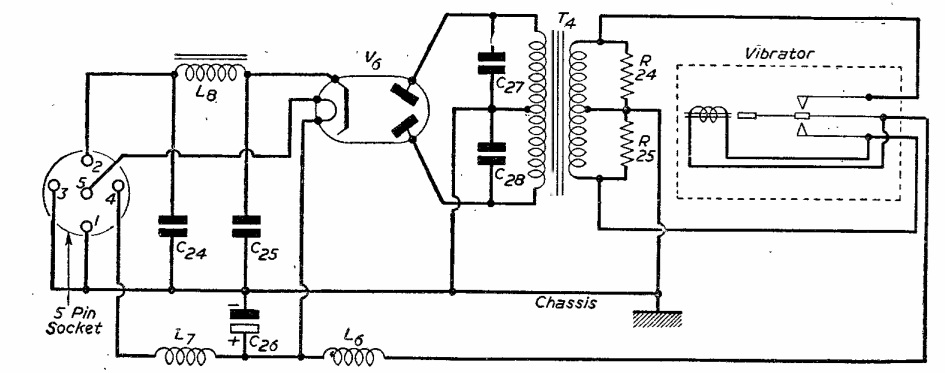
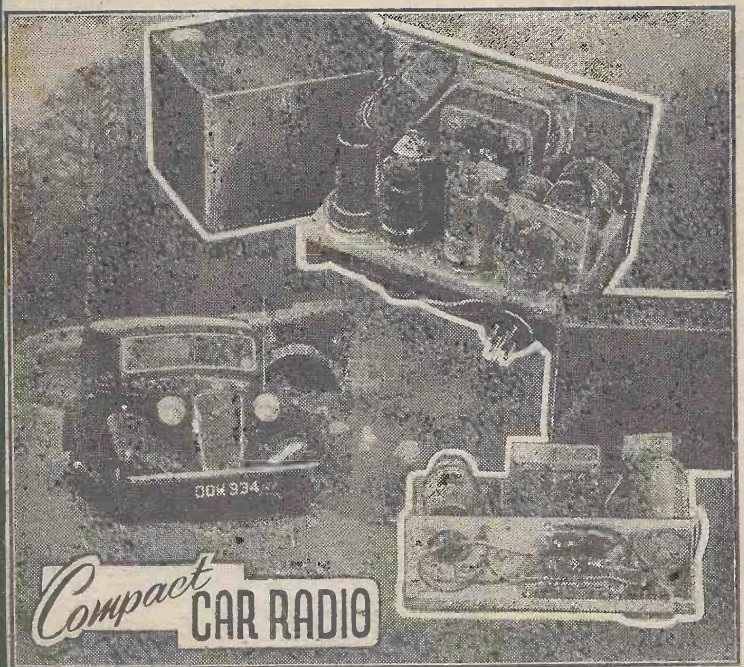 If you were a British motorist and radio enthusiast 75 years ago, putting a radio in your car was a do-it-yourself project, thanks to this five-tube superheterodyne medium-wave receiver shown in the January 1951 issue of Practical Wireless. There was nothing novel about the circuit, and it probably wouldn’t pull in a lot of foreign stations. But for entertainment and information from local stations, it would serve well. A vibrator power supply was on a separate chassis, which employed a sixth tube, the rectifier.