FDA image.
We have previously written about purchasing prescription drugs, and ways that consumers can save significant amounts of money. Those included ordering from Canadian pharmacies. There are a number of Canadian pharmacies that specialize in providing mail-order prescriptions to customers in the United States. In the past, we have used CanadianPharmacyStore.com, although there are many other reputable pharmacies that specialize in this niche market.

CDC image.
Unfortunately, this method might be coming to an end as of October 22, 2026. On that date, Customs and Border Protection begins full enforcement excluding FDA pharmaceuticalfrom informal postal processing, following the recent suspension of the $800 de minimis exemption.
While the rule itself is ostensibly aimed at cracking down on tariff evasion and illicit contraband in small parcels, the collateral damage for individual prescription buyers is massive.
Technically, importing unapproved prescription drugs has always run afoul of the strict letter of the Food, Drug, and Cosmetic Act (FD&C Act). For decades, however, individual consumers operated under an informal regulatory truce: the FDA and CBP exercised “enforcement discretion,” generally allowing up to a 90-day supply of non-controlled maintenance medications to pass through customs unhindered if they were for personal use and didn’t represent an obvious health risk. The new postal entry rules effectively eliminate this informal pipeline that made that discretion practical.
Because incoming parcels will now require specific tariff and merchandise documentation before clearance, packages can no longer simply slip through the postal stream unnoticed. Instead, customs will instantly flag pharmaceutical shipments for FDA admissibility review. Because foreign-dispensed drugs lack explicit FDA domestic labeling and approvals, shipments reaching the border after October 22 run a severe risk of being detained, refused, or returned to sender.
The Traveler Exception
Importantly, this change does not apply to travelers crossing the border in person. The de minimis suspension specifically governs unaccompanied freight and international postal cargo. Travelers returning from abroad with personal medication in their accompanied luggage are covered by entirely separate passenger exemptions and entry rules (meaning you can still generally bring back up to a 90-day personal supply in its original pharmacy container, accompanied by your doctor’s prescription and declared at customs).
What You Should Do Now

HHS image.
If you or a family member rely on a Canadian or overseas pharmacy for affordable maintenance medication, time is short, and you should refill immediately. Order allowable refills as soon as possible. Packages need time to be processed, dispensed, and physically clear U.S. Customs before the October 22 compliance deadline. If you face potential supply interruptions for critical maintenance drugs, consult your healthcare provider about domestic alternatives.
Why Personal Drug Imports Across the Border Remain Feasible
While federal law strictly regulates the commercial importation of pharmaceuticals, the Food and Drug Administration (FDA) exercises formal regulatory discretion when it comes to individuals carrying medication across the border for their own care. Under the FDA’s Personal Importation Policy, border agents and customs inspectors generally allow individuals to bring in foreign medications, provided specific common-sense criteria are met:
- Personal Use Only: The quantity does not exceed an estimated 90-day supply, and the medication is strictly for the individual importing it.
- Valid Documentation: The traveler carries a valid prescription from a licensed physician, along with original pharmacy packaging and clear labeling in English.
- Low Risk Profile: The medication does not represent an unreasonable safety risk, is not a biological agent, and is not a controlled substance with severe restrictions (such as Schedule II narcotics).
Some of these requirements might sometimes be laxly enforced. For example, I’ve never been asked to show a prescription at customs, and I’m aware of many cases of persons bringing back prescriptions for family members. But especially if you are planning a special trip, it’s a good idea to keep them in mind. Relying on lax enforcement is never a good idea.
The 90-Day Border Run: When Travel Pays for Itself
For millions of Americans dealing with high out-of-pocket costs for essential, brand-name maintenance medications, the price gap between the U.S. and foreign pharmacies remains dramatic. Even after factoring in transit, fuel, or airfare, a dedicated cross-border trip every 90 days to Canada or Mexico—or timed alongside planned international travel abroad—often proves substantially more cost-effective than filling those same prescriptions at a domestic counter.
When domestic retail prices or high deductibles run into thousands of dollars per quarter, the net savings from a single foreign pharmacy visit can easily absorb the cost of travel and lodging, leaving significant cash in pocket.
To see the exact logistics, documentation rules, and price comparisons involved in a border pharmacy run, see our earlier post on purchasing prescription medications in Mexico.

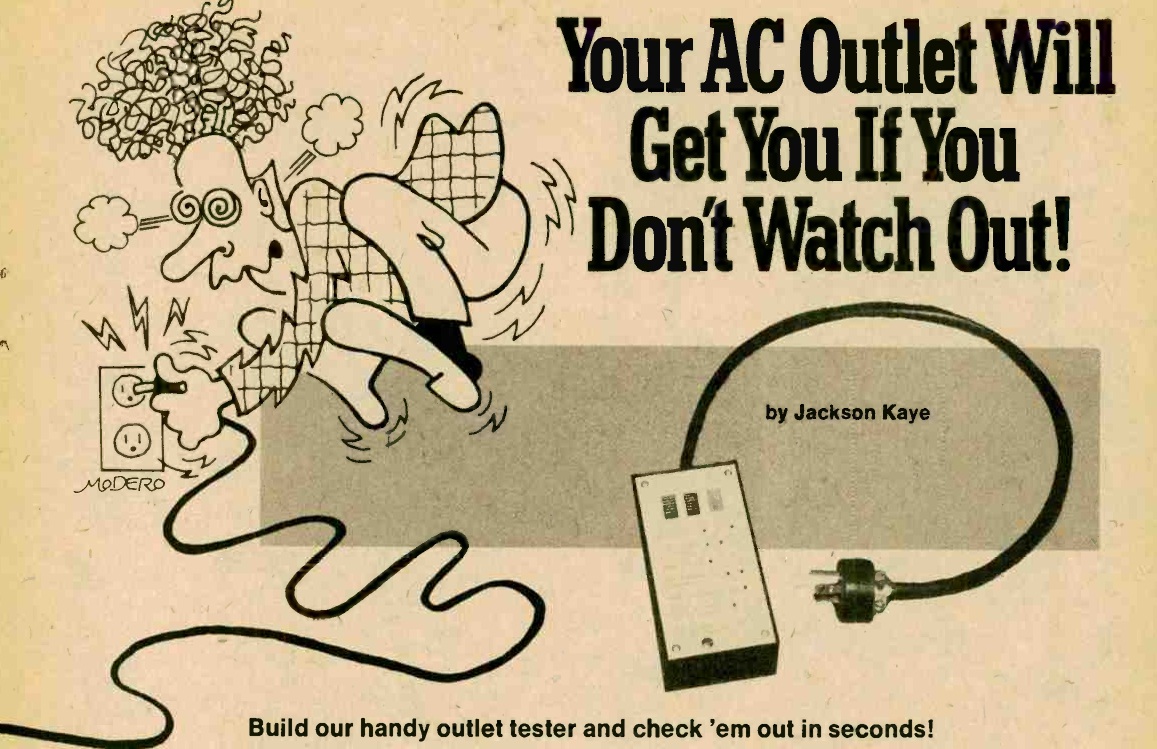 If you do any electrical work around the house—or even if you don’t, and you just want to make sure the electrician did things right—you really ought to have an inexpensive outlet tester in your toolbox. You can plug one in and tell at a glance whether the receptacle is wired correctly, or if there is some invisible and potentially hazardous fault hiding behind the faceplate.
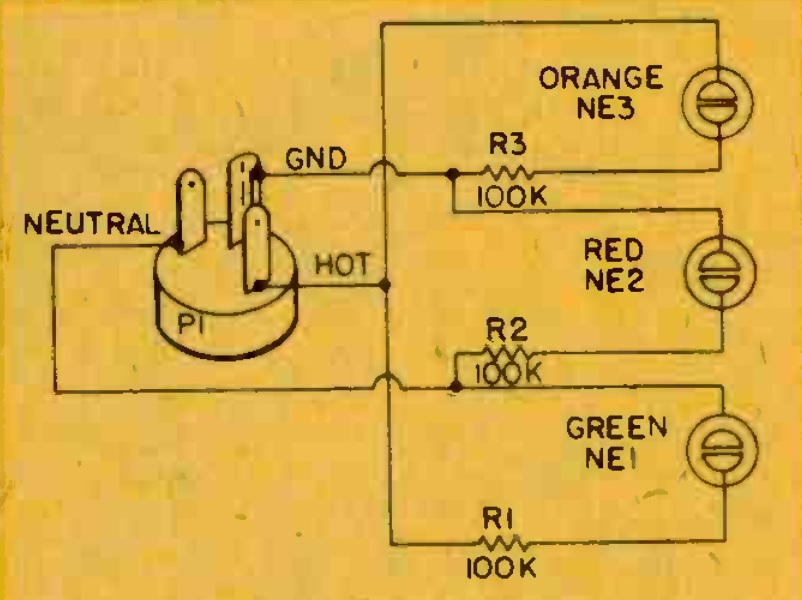 The circuit shown here appeared in the September-October 1976 issue of Elementary Electronics. As you can see, the design is deceptively simple. It uses three neon lamps (NE-1, NE-2, and NE-3), each in series with a 100kΩ current-limiting resistor, bridged across the three conductors of a standard grounded three-prong plug: